
The Longevity Reset: Why Healthspan Is the New Goal
From protein trends to sleep tracking and supplements, longevity is trending. Experts say ageing well depends on mastering fundamentals early, focusing on metabolic health, muscle, nutrition, and sleep


Scroll through social media today, and longevity is everywhere. From morning sunlight routines to protein-focused meals and supplement stacks, the idea of “living longer” has quietly evolved into something far more nuanced — and far more urgent.
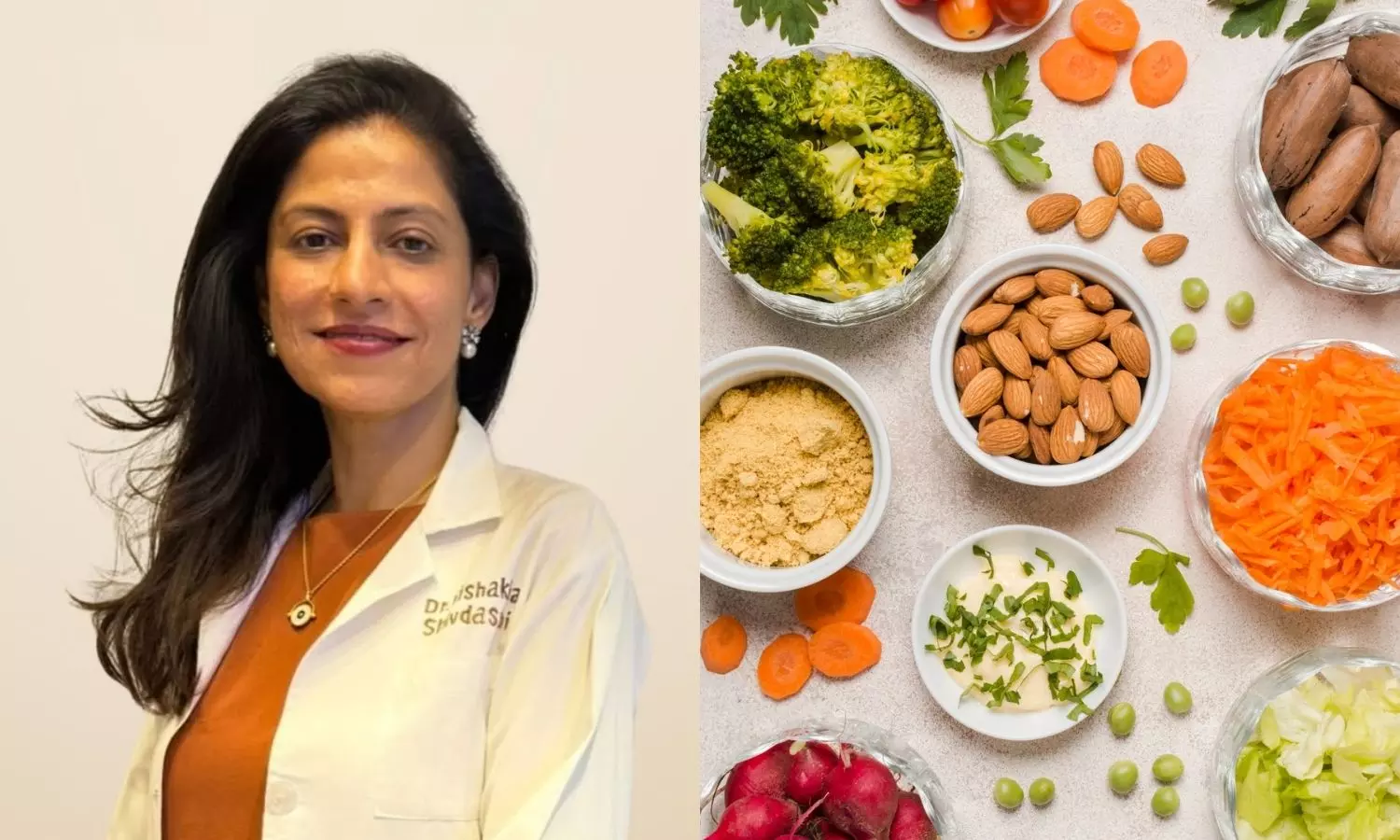
But beneath the aesthetics of wellness lies a deeper shift. As Dr Vishakha Shivdasani, a physician specialising in longevity and disease reversal, explains, what we are witnessing is not just a trend — it’s a turning point in how we think about health.
“Traditionally, medicine has focused on treating disease after it appears,” she says. “Longevity medicine is about extending healthspan — the number of years you live free of chronic disease. Lifespan only matters if healthspan improves.”
This reframing is critical. Because the real goal is no longer just to live longer — but to live well for longer.
From Reaction to Prevention
For decades, healthcare systems — and even individuals — have largely operated in a reactive mode. Symptoms appear, tests are run, and treatment follows.
What longevity brings into focus is the idea that disease doesn’t begin when symptoms show up. It begins much earlier.
“More and more people are now asking how to prevent diabetes, heart disease, dementia and metabolic illness decades before they appear,” says Dr Shivdasani. “Because that is when the disease process actually starts.”
This shift toward preventive health is one of the most encouraging aspects of the current wellness movement. People in their 30s and 40s — once considered “too young” to worry about chronic illness — are now paying attention to markers like insulin resistance, inflammation, and metabolic health.
And rightly so.
According to Dr Shivdasani, many of the biological processes that determine how we age begin silently, long before diagnosis. Fatty liver, hormonal imbalances, micronutrient deficiencies — these are not late-stage concerns. They are early signals.
The good news? Many of these conditions are modifiable — and in some cases, even reversible — if caught early.
Cutting Through the Noise: What Longevity Is Not
With social media amplifying the conversation, longevity has also become increasingly misunderstood.
“I see a lot of misinformation,” Dr Shivdasani notes. “Longevity is often portrayed as biohacking, ice baths, expensive testing, or taking dozens of supplements.”
While these elements may have their place, they are not the foundation.
The strongest scientific evidence, she emphasises, continues to point to a far simpler set of drivers: metabolic health, nutrition, sleep, muscle mass, and inflammation control.
In other words, the basics still matter most.
Another common misconception is that longevity is something to think about later in life. In reality, ageing is a continuous biological process that begins much earlier.
By the time symptoms appear, the groundwork has often been laid for years.
Food as Information, Not Just Fuel
If there is one pillar that consistently emerges in longevity science, it is diet.
“Food is one of the most powerful determinants of how we age,” says Dr Shivdasani. “It directly influences metabolism, inflammation, gut health and muscle mass.”
In fact, she describes food as something far more dynamic than calories.
“The food on your plate can literally switch genes on or off.”
Yet, in today’s hyper-connected world, nutrition advice often swings between extremes. On one end are global trends — high-protein diets, gut health protocols, superfoods. On the other is a nostalgic return to traditional eating.
The real answer lies somewhere in between.
Traditional Indian diets, Dr Shivdasani points out, already include many longevity-supporting elements: diverse plant foods, spices, and fermented preparations. What needs updating is not the foundation, but the balance.
“Most people need to modernise protein intake and fibre diversity,” she explains. “Meals should support muscle health, gut microbiome diversity and stable blood sugar as we age.”
It’s less about abandoning tradition — and more about evolving it.
Why Muscle Is the New Health Marker
For years, fitness was largely equated with weight loss. Today, the conversation has shifted toward something more fundamental: strength.
“Muscle is literally a metabolic organ,” says Dr Shivdasani.
Healthy muscle improves insulin sensitivity, supports bone density, and protects against conditions like type 2 diabetes, frailty, and falls. Yet, after the age of 30, muscle mass naturally begins to decline — a process that accelerates significantly after 40 if not actively addressed.
This is where strength training becomes essential.
“Even two to three sessions a week — even 20 minutes — is enough to make a difference,” she says.
The goal is not extreme workouts or aesthetic transformations. It is functional fitness — the ability to move well, stay strong, and remain independent over time.
Paired with regular walking and mobility work, strength training forms a critical pillar of long-term health.
The Supplement Question
Few areas of wellness have grown as rapidly — or as confusingly — as supplements.
From collagen powders to omega-3 capsules, social media is filled with recommendations, routines, and “must-have” lists.
But according to Dr Shivdasani, this is where caution is essential.
“Supplements are not universally beneficial,” she explains. “What works for one person may be unnecessary — or even inappropriate — for another.”
In her clinical practice, she often sees individuals taking multiple supplements without addressing underlying issues such as insulin resistance, gut dysfunction, or micronutrient deficiencies.
The solution lies in personalisation.
“The most reliable approach is evidence-based supplementation guided by clinical assessment and relevant blood tests.”
In other words, supplements should be strategic — not trend-driven.
For those navigating health information online, her advice is clear: look for credibility. Seek out professionals who base their recommendations on research, clinical experience, and transparency — not just popularity.
The Foundations That Actually Matter
With so much information available, it’s easy to feel overwhelmed. But when it comes to longevity, the fundamentals remain surprisingly consistent.
If someone were to begin their health journey today, Dr Shivdasani recommends focusing on a few key habits:
- Prioritise metabolic health through nutrition: A balanced diet rich in whole foods, adequate protein, fibre, and healthy fats helps regulate blood sugar, reduce inflammation, and support gut health. “Do not fear good fats,” she adds.
- Build and maintain muscle: Strength training, combined with daily movement, supports everything from insulin sensitivity to bone health and long-term mobility.
- Optimise sleep and manage stress: Poor sleep and chronic stress disrupt hormones, increase inflammation, and accelerate ageing.
- Support gut health: “Most disease processes begin in the gut,” she notes, emphasising its central role in overall well-being.
These are not quick fixes. They are long-term investments.
A More Personal Future of Health
Perhaps the most exciting aspect of the longevity movement is its shift toward personalisation.
No two individuals age in exactly the same way. Genetics, lifestyle, environment, and medical history all play a role. What works for one person may not work for another.
This is why the future of healthcare, as Dr Shivdasani sees it, lies in tailored, preventive approaches — ones that identify risks early and intervene before disease takes hold.
Beyond the Trend
Longevity may be trending — but its implications are far from superficial.
At its core, this movement is about understanding that the way we eat, move, sleep, and recover today shapes the quality of our lives tomorrow.
And perhaps most importantly, it is about redefining what it means to be healthy.
Not just symptom-free.
Not just productive.
But physically strong, mentally sharp, and metabolically resilient — well into the later decades of life.
Because in the end, longevity is not about adding years to life.
It is about adding life to those years.


Tarvene Shahpuri
Tarvene is a chocolate and chai fiend who is constantly on the hunt for cute cafes. You can catch her baking some Biscoff cheesecakes or binge-watching Netflix shows. She likes filling up her free time painting, listening to music or going on long drives.