
A Table of Memories
A personal reflection on Easter rituals, where memory, faith, and food come together, tracing traditions inherited, adapted, and lovingly passed on


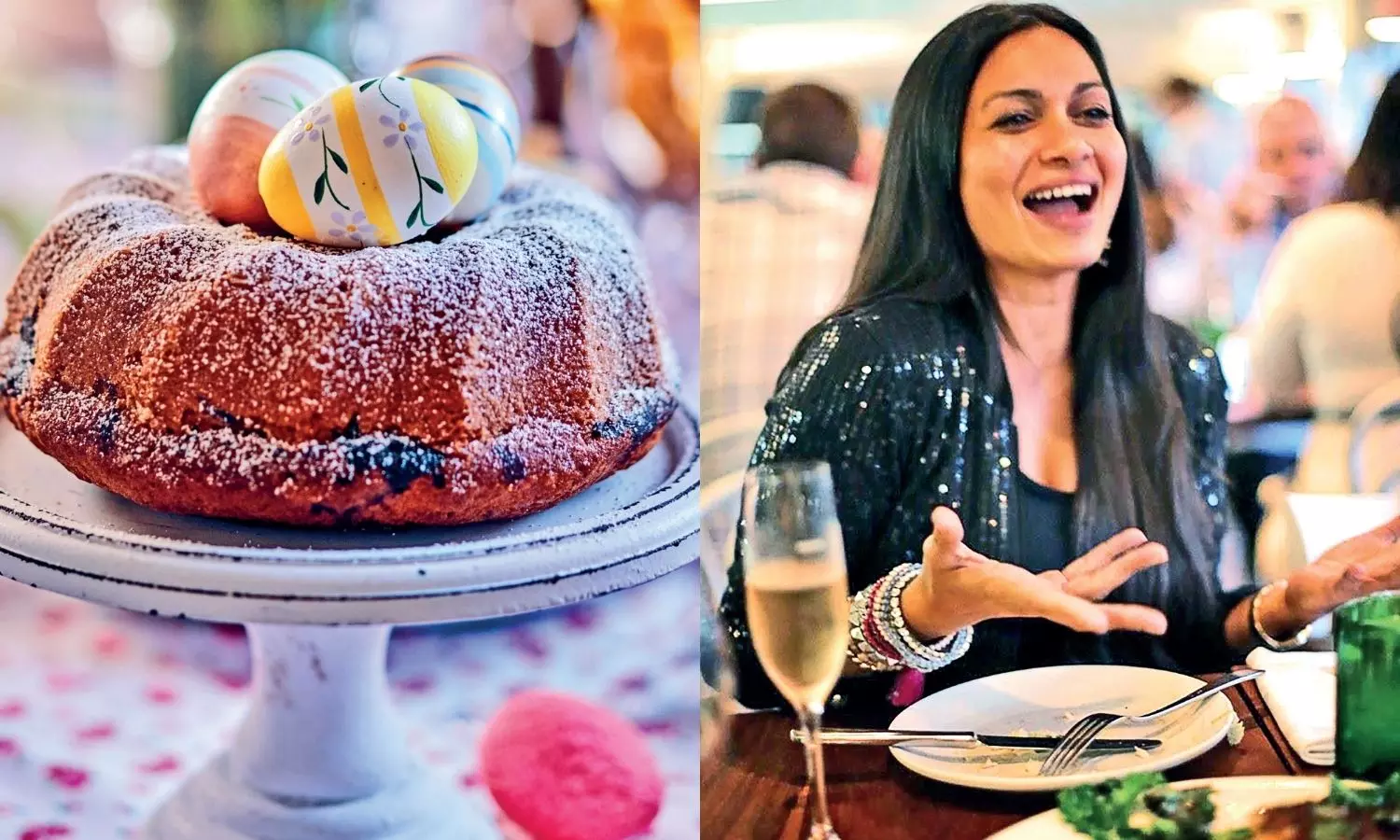
I remember the smell most significantly. Fish curry on the stove, spices warming in a pan, my mother moving quietly around the kitchen while my father stood beside her; the two of them working shoulder-to-shoulder as though they had choreographed it over decades — which, I suppose, they had. Easter was always like this in our home: announced not by a date on the calendar, but by the sights, sounds, and aromas that slowly penetrated our home.
For Christians around the world, Easter marks the resurrection of Jesus Christ — a celebration of hope, renewal, and the promise of new life. But it is not a single day so much as a season, one that unfolds slowly and intentionally over weeks. It begins with reflection and sacrifice, moves through solemnity and anticipation, and arrives finally at joy. To live through it fully is to understand why the celebration, when it comes, feels so hard-earned.
It begins, in many Christian homes, with Pancake Tuesday — the day before Lent starts. Shrove Tuesday, as it is also known, has its roots in an old tradition of using up the household’s rich ingredients, such as eggs, butter, milk, and flour. The logic? What couldn’t be consumed during the forty days of fasting and abstinence ahead was cooked up and eaten before the season of restraint began. The pancake, then, is less a treat than a kind of threshold — a way of clearing out and making space, in both the larder and the spirit, for what is to come.
Lent itself is the forty days of prayer, fasting, and reflection that lead up to Easter — a period that mirrors the forty days Jesus spent in the wilderness. In our house, it meant my parents turned pescatarian for the duration. And so the kitchen shifted, too. The smell of fish curries and fresh fried fish would fill our home through those weeks, and my mother’s cooking became simpler… more considered. As children, my siblings and I didn’t fully understand what Lent meant, but we felt that it asked you to pay attention. What we did understand, though, was that Lent meant Holy Week was coming — and Holy Week meant everything was about to change.
It began with Palm Sunday, the day that commemorates Jesus’ triumphant arrival into Jerusalem, welcomed by crowds laying palm branches at his feet. It was the start of the last week of his life, and even as children we understood that the mood of the week ahead was one of weight and meaning.
Then came Maundy Thursday — the remembrance of the Last Supper, the final meal Jesus shared with his apostles, and the moment he knelt and washed their feet as an act of profound humility. After evening mass, there was always something to look forward to: the bakeries around us would put out special buns, marked with a cross on top and filled with little flecks of red and green that we called Tutti-Frutti. They were sweet and soft and slightly festive in the way that only a small, specific thing from childhood can be. I loved them completely.
I bake hot cross buns myself now, and it has taken years to get the recipe exactly right. The recipe lives in my handwritten family recipe book — the one I am keeping for my children, Zene and Zeke, for whenever they discover the joys of cooking and baking.
Good Friday was observed with a stillness that I can still feel. But Holy Saturday — the quiet day between Good Friday and Easter Sunday, when anticipation begins to quietly gather — was anything but still in our home. My mother would spend much of it cooking, assembling the Easter feast piece by piece. My father, when he was in town, worked beside her, and the kitchen would fill with the smell of spices and something sweet in the oven. We would drift in and out, mostly to taste, sometimes to help, always to be near them. I remember watching my mother put it all together — slowly, deliberately, with the kind of calm that comes from doing something many times.
There was always a neighbour who sent over Easter eggs — my mother never made them herself, but cakes and muffins came out of our oven, and my father’s Dal sweet was a fixture of the table. He has since forgotten the recipe entirely, much to everyone’s dismay! And then there was midnight mass, which we looked forward to for reasons both sacred and entirely practical: it meant we got to curl our hair and wear the new dresses my mother had sewn for us, which felt like its own kind of ceremony.
Easter Sunday itself was a symphony. Duck moile, roasted chicken, vindaloo, wedding rice, an old-fashioned potato salad or a Waldorf salad — always with a homemade mayonnaise — and my mother’s trifle, which appeared every year without fail, as reliable as the sunrise. It was the kind of lunch that asked you to sit for a long time and then, inevitably, to sleep for an equally long time afterwards.
When I became a mother, I began adding things of my own to this festival — an Easter egg hunt for my kids, where sometimes I would give them clues like a treasure hunt. At others, I would just tell them the number of Easter eggs I had hidden. They would tear through the house, laughing, our pets racing alongside them in a state of equal excitement. Every year I ordered marzipan eggs from Aunty Stella — my childhood friend’s mother, who has been making them since longer than I can remember.
My parents are with us now, and having them here has made it easier to keep the traditions alive. My mother still cooks. The duck moile continues to be a steady table guest, and the sweet redolence of hot cross buns continue to fill up our senses.
As I look back, I think that is what makes Easter so enduring — not just in faith, but in the small and subliminal ways that it insists on being lived through. The weeks of quietness, rituals of restraint, the slow build towards a table heavy with everything you love: it teaches you, year after year, that to celebrate is to arrive at something together. That’s what Easter has always been about for me — new beginnings, made from everything that came before.


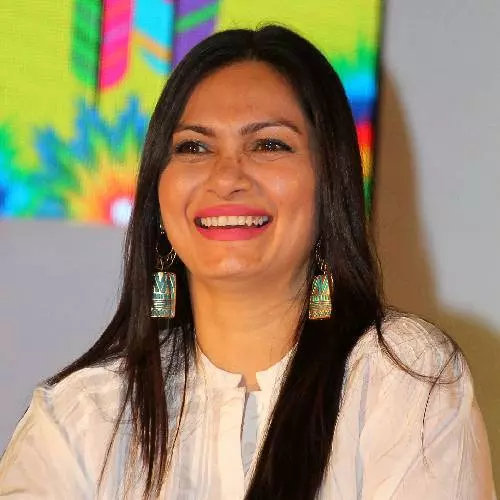
Maria Goretti
Maria Goretti is an author, chef, and TV host who discovered her passion for cooking later in life. Trained in culinary and baking at the Tante Marie School of Cookery in the UK, she shares heartfelt recipes and stories through her cookbook From My Kitchen to Yours.