
The Great Biryani Trail
From north to south, India’s biryanis tell stories of migration and spice—each region lending its own nuance to the one-pot wonder.


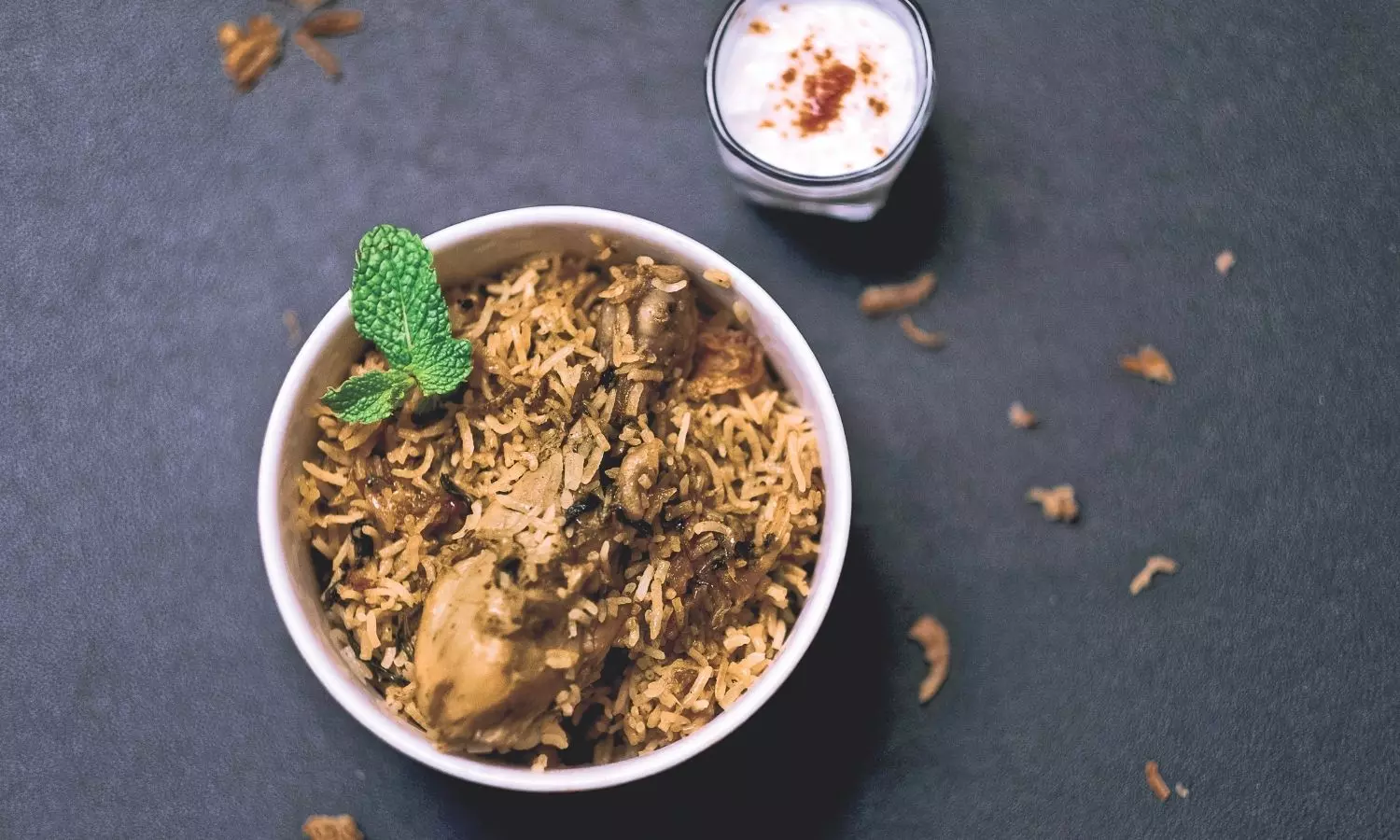
There are a few dishes in India that inspire as much debate and nostalgia as biryani does. It arrives at the table fragrant and unapologetically indulgent—yet beneath that familiar spectacle lies a landscape of regional nuance. To travel through India by biryani is to move not just geographically, but emotionally, following old trade routes, royal kitchens, community migrations and deeply personal tastes. What looks like the same dish on the surface reveals itself, forkful by forkful, to be many different stories told in rice.
The idea itself wandered in from Persia, shaped by the slow-cooking philosophies of beriyan and the love for fragrant grains known as birinj. But once biryani crossed into the subcontinent, it did what India’s greatest dishes always do: it settled and adapted. The result is not one canonical recipe, but a family of preparations—some restrained, some fiery, some lavish, some spare—united only by the shared alchemy of rice and protein meeting heat and time.
The North: Subtlety, Steam and Royal Restraint
In the north, particularly in Lucknow, biryani learned refinement. The Awadhi style does not shout; it murmurs. Rice is parboiled separately, meat cooked gently with aromatics, and only then are the two layered and sealed in a heavy vessel for dum. Saffron, kewra (screw pine) and whole spices perfume rather than dominate. This is biryani shaped by etiquette and patience, once served under gilded chandeliers to Nawabs who prized balance above bravado. Even its vegetarian counterpart, the humble tehri, carries that same measured elegance.
Move east and the rice grows shorter, the mood softer still. Kolkata’s biryani is an adaptation born of exile and ingenuity, influenced by Awadhi cooks who arrived with a displaced court. Potatoes—filling and affordable—nestle alongside meat, while boiled eggs make the dish feel almost indulgently abundant. It is gentler, sweeter, unmistakably comforting, a biryani that wears nostalgia lightly but unmistakably.
Try Them Here
- Awadhi Biryani: Kebabs & Kurries, ITC Grand Central, Mumbai; Kava, Fairfield by Marriott, Lucknow; Punjab Grill, Mumbai; Idris ki Biryani, Lucknow
- Hyderabadi Biryani: Kangan, The Westin, Hyderabad; Sarvi, Hyderabad; Hyderabadi Biryani House, New Delhi; Café Noorani, Mumbai
- Kolkata Biryani: Sonargaon, Taj Bengal, Kolkata; Kolkata Biryani House, New Delhi; Arsalan, Kolkata; Oh! Calcutta, Mumbai
- Dindigul Biryani: Spice Haat, Hyatt Regency, Chennai; Dindigul Venu Briyani, Coimbatore; Dindigul Thalappakatti Restaurant, Chennai; Amsavalli Bhavan, Madurai
- Bohri Biryani: Sam’s Bohri Zaika, Mumbai; Paramount Restaurant, Mumbai; Tazza, Mumbai
- Malabar Biryani: Gad, The Gateway Hotel Beach Road, Kozhikode; Bombay Restaurant, Kozhikode; Paragon, Kozhikode; Malabar Biriyani House, Ernakulam; Hotel Deluxe, Mumbai
The Deccan: Fire and Bold Confidence
Further south, the tone shifts dramatically. Hyderabad’s biryani is assertive, complex and unapologetically spicy. Here, raw meat and rice are layered together, marinated in chilies, yogurt and spice, then cooked as one entity in the kachchi method. The result is deeper flavour penetration, richer masala clinging to each grain, and a heat that builds slowly but insistently. Patronised by the Nizams and perfected in bustling kitchens and wedding feasts, this is perhaps India’s most globally recognised biryani—and its most hotly contested.
Travel down into Tamil Nadu and the rice itself changes character. In Dindigul, fragrant basmati gives way to seeraga samba, a shorter grain with a musky aroma that defines the dish. The biryani here is darker, spicier, closer in appearance to a meat pulao, yet unmistakably its own thing. Chicken is marinated directly with spices and rice before cooking, producing a robust, earthy preparation that speaks of roadside restaurants, loyal patrons and decades-old methods preserved with pride.
The Coast and the Community: Migration on a Plate
On the western coast, biryani becomes a marker of community identity. The Bohri biryani of Mumbai reflects the Dawoodi Bohra palate—aromatic rather than incendiary, spiced with whole garam masalas and balanced by sharp accompaniments. Served traditionally with a fiery green chutney and a crisp kachumber, it is designed to be shared, echoing the communal meals the community is known for.
Further south in Kerala, the Malabar biryani takes on an almost lyrical softness. Influenced by centuries of Arab trade, it echoes dishes like mandi and kabsah, sometimes cooked over coconut husks that lend a gentle smokiness. Whether made with meat or seafood, in pakki or kachchi style, it arrives with coconut-based condiments, date pickles and papad—an ensemble rather than a solo performance.
Across these regions, biryani resists standardisation. It remains gloriously local and endlessly adaptable. And perhaps that is its greatest triumph: a dish that has travelled far and has now settled deep in India’s culinary milieu—one sealed pot at a time.
Did You Know?
- The potato in Kolkata biryani wasn’t a garnish—it was a necessity, introduced when meat was scarce, and stayed because everyone loved it.
- Biryani vs Pulao: The difference isn’t in ingredients, but intent: biryani is layered and finished on dum; pulao is cooked in one go.
- Rice Matters: From long-grain basmati in the north to short, aromatic seeraga samba in Tamil Nadu, the rice defines the biryani more than the meat.
- Pakki or Kachchi? Awadhi biryani is pakki— pre-cooked meat and rice layered together. Hyderabadi and Dindigul styles often go kachchi, cooked raw on dum.
- Why Saffron Is Used Beyond colour, saffron signals luxury. In royal kitchens, its aroma was a mark of status as much as flavour.
- A Community Dish Bohri biryani is traditionally eaten in groups from a shared platter, reinforcing the community’s strong dining culture.
- Arab Connections: Malabar biryani shares DNA with Middle Eastern mandi and kabsah—a legacy of centuries-old spice trade routes.
- One Pot, Many Opinions: Ask five Indians their favourite biryani, and you’ll get five passionate answers—and at least one heated argument.
- Eggs in Biryani? Boiled eggs are a signature of Kolkata biryani, rarely found elsewhere, and often prized as much as the meat itself.
- The Power of Dum Sealing the pot with dough isn’t a ritual—it traps steam, forcing flavours to mingle without burning.



Raul Dias
An award-winning food, travel and luxury writer, editor and columnist, Raul has over two decades of experience across India’s leading newspapers and magazines. Currently the Editor of Fresh, a food and lifestyle magazine, he lends a refined editorial voice to India's ever-evolving food and lifestyle landscape.