
TRY A WINTER RESET!
In this winter-ready guide, explore how seasonal nourishment, ancient spices, and mindful eating can help you stay energised, balanced, and resilient through the festive chill


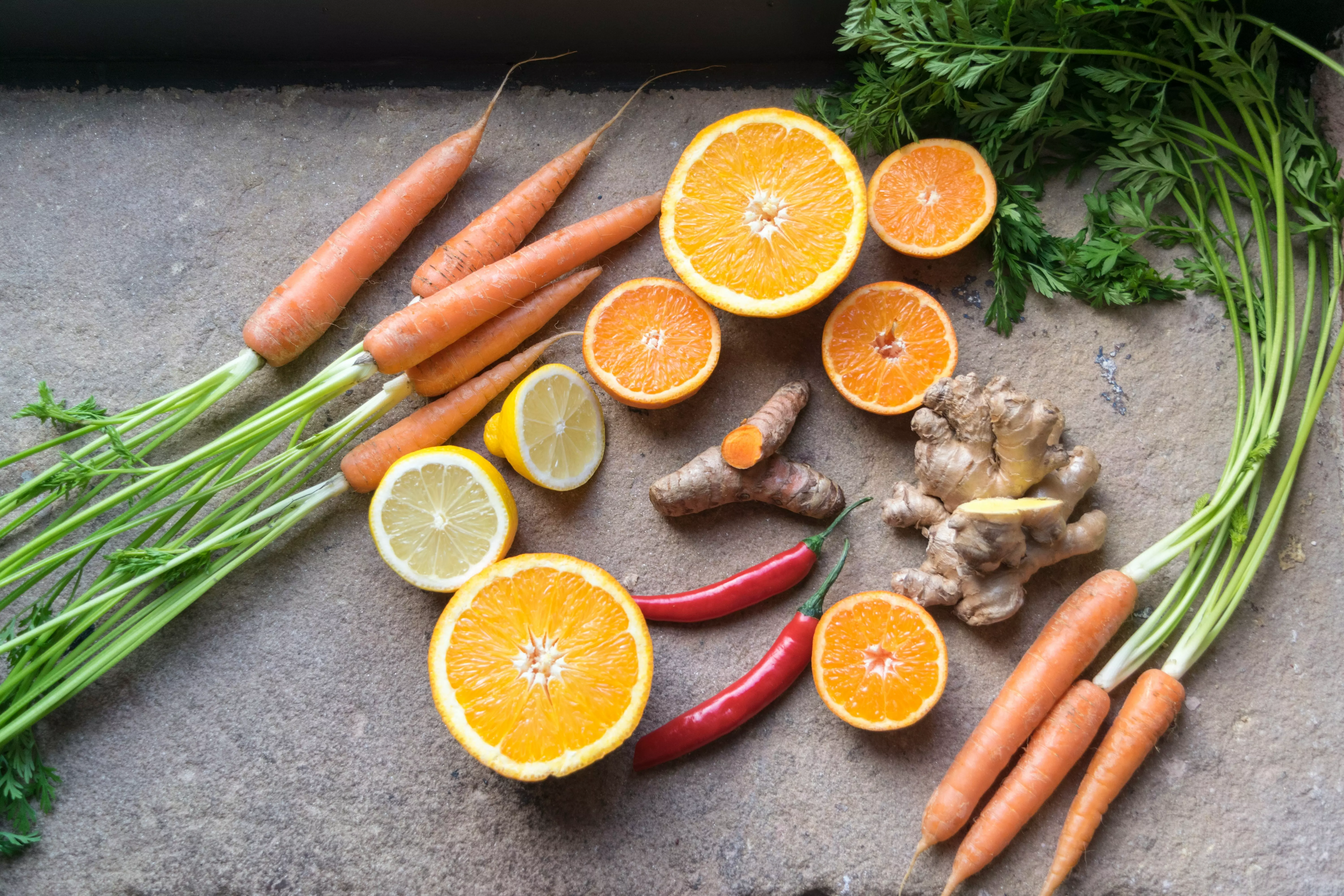
Winter often wraps life in a gentle contradiction, the desire to slow down under a thick blanket with something warm in hand, and the pressure to keep up with the bright swirl of festive gatherings, indulgent meals, late nights and year-end responsibilities. Beneath this seasonal tug-of-war, our bodies quietly work harder than usual: maintaining warmth, digesting richer foods, repairing after late nights, keeping our skin from drying out, and fortifying our immunity against a backdrop of cold air and thriving winter viruses. It’s no surprise that immunity becomes more vulnerable now, when the mucosal lining of the respiratory tract weakens and digestion naturally slows. Add indulgent treats, alcohol and erratic timings, and the immune system feels stretched.
Winter nourishment, therefore, becomes more intuitive than restrictive—choosing foods that support warmth, strength and steady energy. Fortunately, winter offers exactly what the body needs: immune-boosting produce, warming spices, grounding root vegetables, healthy fats and protein-rich staples that build resilience from within.
Ingredients That ‘Give’ Winter Wellness
Spices such as ginger, turmeric, cinnamon, cloves and black pepper become powerful winter allies, adding not only comfort but genuine physical warmth, encouraging better circulation, calmer digestion, reduced inflammation and stronger respiratory health. Ginger soothes sore throats and supports digestion, while turmeric’s antioxidant strength pairs best with black pepper for better absorption. Cinnamon warms the body and stabilises blood sugar, and cloves and black pepper support respiratory wellness while enhancing nutrient uptake.
Nature delivers an entire winter pharmacy in its produce. Citrus fruits—bright oranges, kinnow, grapefruit, lemons—come loaded with vitamin C for immunity and fresh winter skin. Amla, with even more vitamin C than citrus, supports immunity, digestion and hair health despite its cooling nature. Root vegetables like sweet potatoes, carrots, beets and turnips provide fiber, antioxidants and steady energy, while leafy greens such as spinach, methi and sarson offer iron, folate and mineral-rich nourishment that supports liver function and blood health.
Healthy fats shine in winter. Ghee becomes especially valuable for digestion, nutrient absorption, joint lubrication and maintaining body heat—one teaspoon on an empty stomach can be a simple winter ritual. Nuts and seeds—almonds, walnuts, pistachios, sesame seeds and flaxseeds—deliver minerals, healthy fats and warmth, echoing traditional treats like til sweets and chikki (nut brittle). Avocado and olive oil support hormonal balance, skin health and steady energy.
Protein, essential for building immune cells, becomes even more crucial in the cold. Lentils, beans, eggs, chicken, fish, yogurt (preferably at room temperature during the day), paneer and tofu create nourishing bases—especially when paired with warming spices.
And because nearly 70% of immunity lives in the gut, fermented foods such as yogurt, kefir, idli or dosa batter, kimchi, sauerkraut and homemade pickles take on a key role. They improve digestion, enhance nutrient absorption and help the body resist winter infections.
Warmth, inside and out, is central to winter digestion. Broths (bone or vegetable) soothe the gut lining, while herbal teas made from ginger, tulsi, chamomile or cinnamon-clove bring comfort. The classic kadha—ginger, tulsi, black pepper, cloves, cinnamon—remains a time-tested winter remedy.
In Rhythm with the Season
A winter-friendly meal builds itself intuitively: a warming spice, a seasonal vegetable, a protein source, a healthy fat and something warm to sip. Masoor dal enriched with ghee and served with methi sabzi, sweet potato soup paired with grilled chicken, or a turmeric-scented millet khichdi with sautéed spinach offer warmth, nourishment and comfort in perfect balance.
Supporting these foods with simple lifestyle habits grounds your winter beautifully—choosing warm over cold foods to protect digestion, staying hydrated even with reduced thirst, keeping regular mealtimes to stabilise energy and immunity, and giving sleep priority so the body can repair after festive evenings.
Winter wellness is never about avoiding celebration; it’s about moving through it with awareness and nourishment. When you eat in alignment with the season, you glide through cold days and lively nights feeling steadier, warmer, more energetic and wonderfully resilient.
“Winter foods aren’t just comforting—they’re biologically aligned to protect, warm and strengthen the body.”
Winter Staples Worth Adding:
- Amla — more vitamin C
- than an orange
- Ghee — supports heat,
- joints & digestion
- Methi — mineral-rich
- winter green
- Ginger — boosts circulation and fights sore throats
- Sesame — traditional winter-warming seed
Winter Immunity Booster Kadha
When the winter chill sets in and the sniffles begin to creep up, this soothing kadha brings comfort in a cup. Packed with ginger, tulsi/mint, turmeric, and warming spices, it’s a daily ritual that builds resilience from within.
Serves 1-2
Ingredients
- Water | 2 cups
- Fresh ginger | 1-inch piece, crushed
- Tulsi/mint leaves | 5 to 6
- Cinnamon | small stick
- Black peppercorns | 4 to 5, crushed
- Cloves | 3 to 4
- Turmeric powder | ½ teaspoon (or 1-inch fresh turmeric root, grated)
- Honey or jaggery | 1 to 2 teaspoons (optional)
- Lemon juice | a few drops (optional)
Method
- Coarsely crush the black peppercorns and cloves using a mortar and pestle.
- In a saucepan, bring 2 cups of water to a boil.
- Add ginger, tulsi/mint leaves, cinnamon stick, turmeric, crushed peppercorns, and cloves.
- Lower the heat and simmer for 10 to 15 minutes, until it has reduced by half.
- Strain into a cup. Add jaggery while boiling or honey once slightly cooled.
- Finish with a few drops of lemon juice if desired, and sip warm.
Winter Vegetable Millet Khichdi
A bowl of this winter millet khichdi feels like edible therapy. Loaded with seasonal vegetables, protein-rich dal, and gut-friendly millets, it’s nourishing, grounding, and the perfect one-pot meal for cold evenings when you need warmth and wellness together.
Serves 3-4
Ingredients
- Grains & Lentils
- Little millet | 1 cup
- Moong dal | ½ cup, washed
- Vegetables
- Sweet potatoes | 1 cup
- Carrots | 1 cup
- Green beans | ½ cup
- Cauliflower florets | ½ cup
- Green peas | ½ cup
- Tomato | 1 small (optional)
- Onion | 1 small (optional)
- Tempering & Spices
- Ghee (or oil) | 1.5 tablespoons
- Cumin seeds | 1 teaspoon
- Mustard seeds | ½ teaspoon
- Bay leaves | 1–2
- Ginger | 1-inch, grated
- Garlic | 2–3 cloves (optional)
- Turmeric powder | ½ teaspoon
- Coriander powder | 1 teaspoon
- Black pepper powder | ½ teaspoon
- Garam masala | ½ teaspoon
- (optional)
- Salt to taste
- Water | 4 to 4.5 cups
- Garnish
- Chopped coriander
- Lemon juice
- Ghee | 1 teaspoon (optional)
Method
- Rinse and soak the millet and dal together for 20 to 30 minutes.
- Heat ghee in a pressure cooker or pot. Add cumin, mustard, bay leaf, ginger and garlic.
- Add the onions and sauté for 2 to 3 minutes, then add the tomatoes and cook until soft.
- Add all the chopped vegetables, turmeric, coriander powder, black pepper and salt. Sauté for 3 to 4 minutes.
- Add soaked millet and dal. Mix well. Pour 4 to 4.5 cups of water, stir and bring to a boil. Cook for 4 to 5 whistles on medium heat, or simmer in a pot for 25 to 30 minutes.
- Once done, open and mix. Add garam masala, lemon juice and coriander. Drizzle ghee on top and serve hot.



Harlene Bhasin
A clinical nutritionist with over 15 years of experience, Harlene is an avid fitness enthusiast and mom to a teenage boy. Her life is about the 3W’s - Work, Workout, and Worship. She is an Annapurna (Goddess of Nutrition) in the true sense of the word, with her life, profession, and passion all centered around food.