
25 Years of Olive: The Restaurant That Taught India How to Slow Down
As Olive Bar & Kitchen turns 25, AD Singh reflects on building more than a restaurant—creating a space where time lingers, culture evolves, and generations return


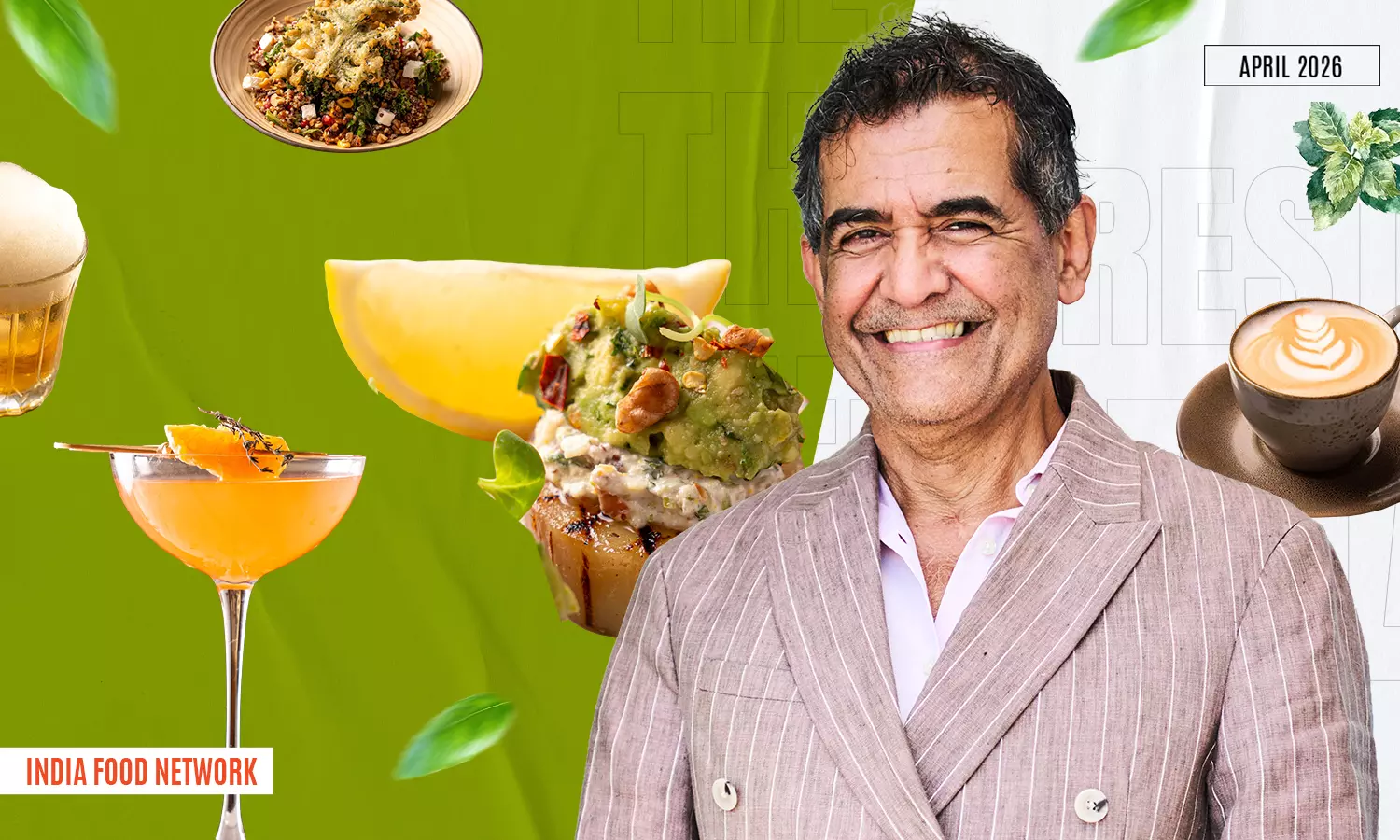
There was a time when going out for dinner in India meant choosing between two extremes — high-energy nightclubs or hushed, formal five-star dining rooms. There was little in between. Dining out was an “occasion,” something to plan, dress up for, and perform.
When AD Singh opened the doors to Olive Bar & Kitchen 25 years ago, he wasn’t trying to introduce a new cuisine or follow a global trend. He was chasing a feeling — one he had experienced while travelling. Long, unhurried meals that stretched into the night. Tables that weren’t turned. Evenings that unfolded without expectation.
“At the time, a lot of what we were doing didn’t make sense to people,” he recalls. The gravel underfoot, textured white walls, the sense that the space was deliberately “undone.” It was a departure from the polished perfection diners were used to. “Someone once asked me quite seriously why the floor wasn’t properly done,” he says, smiling.
But that was precisely the point. Olive wasn’t meant to be intimidating or ceremonial. It was designed to feel lived-in. Easy. Human.
And then something clicked.
A table would come in for brunch, order a bottle of wine, then another, then another—and before anyone realised, it was sunset. No one was in a rush to leave. That’s when Singh knew he had created something more than a restaurant.
“It wasn’t about the food alone,” he says. “It was about giving people permission to slow down.”
A Thousand Small Moments
When you ask Singh about defining moments, he doesn’t point to one grand turning point. Instead, he talks about an accumulation of stories.
There were the early fashion shows — models weaving through tables mid-service, blurring the line between event and everyday dining. There were nights when art spilled across the walls, and DJs transformed the courtyard into something electric by the end of the evening. Thursdays, over time, became a rhythm the city moved to.
But the moments that stayed weren’t always the loudest.
“They’re quieter,” he says. “Watching someone come in for a first date, then an anniversary, and eventually with their children. Seeing a young team member grow into the space until it feels like their own home.”
There’s a particular table he often thinks about — one that has remained in roughly the same spot for 25 years. The faces change. The reasons for gathering evolve. But the feeling remains constant.
“That’s what shaped Olive,” he says. “Not one big moment, but people’s lives unfolding here over time.”
The Indian Diner Grows Up
Over two decades, the Indian dining landscape has transformed dramatically — and so has the diner.
“There’s a lot more confidence now,” Singh observes. “Earlier, people looked at restaurants for validation. There was a ‘right’ way to dine out.”
Today’s diners are informed, well-travelled, and unafraid to question. They’re curious about ingredients, plating, and sourcing. They know what they like — and what they don’t.
At the same time, there’s an ever-present appetite for the new. “People are always chasing something different,” he says. “Which is exciting, but it also means you have to work harder to hold their attention.”
And yet, amid this constant churn, something has come full circle.
“When something feels genuine, people respond to it immediately,” he adds. “They still come back to the basics — good food, honesty, and a space where they feel comfortable enough to stay.”
Staying Relevant Without Chasing Relevance
Longevity in the restaurant business is rare. Even rarer is staying relevant across generations.
Singh doesn’t attribute Olive’s staying power to strategy as much as instinct. “We never sat down and said, ‘This is how we stay relevant,’” he admits. “If anything, we just tried not to become rigid.”
Over the years, Olive has evolved — menus have changed, programming has shifted — but the essence has remained intact. It’s a space that adapts without losing its core.
“One night it’s a quiet sanctuary for a first date. The next, it’s full of energy. On Sundays, it’s families and long brunches,” he says. “People crave that rhythm.”
In a culture increasingly obsessed with the “next big thing,” Olive’s strength lies in resisting the urge to constantly reinvent itself. “We didn’t chase every trend,” Singh says. “We protected the things that don’t go out of style.”
Like the way twilight falls on white walls. Or the feeling of being recognised when you walk in.
From Imported to Innate
If the early 2000s were defined by a fascination with imported ingredients and global menus, today’s dining landscape tells a different story.
“There’s a lot more pride in what’s local now,” Singh says.
Ingredients once overlooked are being rediscovered and celebrated. Diners are asking questions. Chefs are exercising restraint, letting produce speak for itself rather than overcomplicating dishes.
Even service has undergone a shift. “It’s less formal now, less scripted,” he explains. “The best service feels like a conversation, not a performance.” The industry, in many ways, has come into its own—less reliant on external validation, more rooted in its identity. “We’ve stopped looking across the ocean for approval,” he says. “There’s a quiet self-assurance now.”
Lessons From the Hard Years
If the past 25 years have been about evolution, the last few have been about survival.
“The biggest lesson,” Singh says, “is that a restaurant is a living thing. You can’t set it and forget it.”
The challenges of recent years stripped away illusion and forced clarity. What remained was the essence of hospitality — not just food and ambience, but people.
“You realise very quickly that you’re responsible for the livelihoods of hundreds of families,” he says.
In moments of uncertainty, it wasn’t the physical space that held Olive together, but the people behind it — the team that had grown with the restaurant over decades.
“The real structure of Olive isn’t the walls,” Singh reflects. “It’s the collective memory of the team.” Hospitality, he believes, is not about fleeting success but sustained commitment. “You have to earn your place in the city’s heart every evening,” he says. “One table at a time.”
The Next Chapter
As Olive steps into its next phase, Singh isn’t looking to radically reinvent it.
Instead, he’s paying attention to the subtle shifts.
A younger generation is discovering the space — people who may have grown up hearing about Olive are now experiencing it in their own way. They bring new energy, new references, new expectations.
At the same time, familiar faces continue to return — guests who know exactly where they want to sit, what they want to order.
“That mix keeps it interesting,” he says.
The goal, however, remains simple.
“To keep it feeling like somewhere you can walk into without thinking too much,” Singh says. “Somewhere that feels easy.”
Because in a city that is constantly reinventing itself, there is something powerful about a place that remains emotionally constant. After 25 years, Olive is no longer just a restaurant. It’s a memory, a ritual, a pause in the chaos of urban life.
And perhaps that’s its greatest legacy — not what it served, but what it allowed people to feel.
A sense of coming home, even when they were out.


Tarvene Shahpuri
Tarvene is a chocolate and chai fiend who is constantly on the hunt for cute cafes. You can catch her baking some Biscoff cheesecakes or binge-watching Netflix shows. She likes filling up her free time painting, listening to music or going on long drives.